We’re constantly surrounded by advertising, an inescapable whirl of words, colours and images. But it wasn’t always this way. Back in the Mad-Men era, and even decades before that, brands were just beginning to explore how to connect with customers in lasting ways. That’s where food mascots and other famous mascots came in, becoming trusted characters that helped bring products to life.
For food brands, mascot design became a natural fit, especially with the handy backdrop of packaging, as part of a brand’s visual identity. These visual characters have grown into powerful food mascots, some so famous that even people who’ve never tried the product still recognise the face, if not the name. That’s how effective famous mascots can be as a commercial tool. In fact, studies show that brand mascots can increase emotional connection and brand recall by up to 41%, proving their continued value in modern marketing.
Take a look through 15 of the most iconic food mascots and discover when, and why, they came to life. Who knows? They might just inspire your own food brand’s next logo design.
- Food mascots are powerful branding tools that use familiar, friendly faces to boost recognition and build strong brand awareness, even among those unfamiliar with the product.
- Long-lasting mascots build trust and reinforce brand identity through decades of consistency and recognition.
- Creative storytelling gives mascots personality and helps people connect with them emotionally.

1. Colonel Sanders
Kentucky Fried Chicken’s iconic food mascot is based on the real-life Colonel Harland David Sanders, the company’s founder. Originally from Tennessee, he began selling fried chicken by the roadside during the Great Depression. Today, his familiar portrait lives on as one of the world’s most famous mascots and the face of an international brand.
2. Tony the Tiger
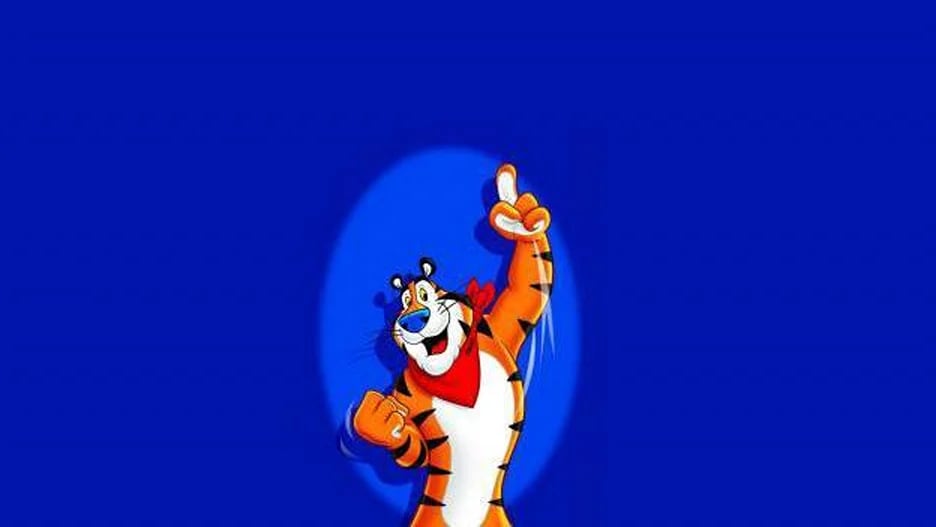
“They’re grrreat!” is the iconic catchphrase of Tony the Tiger, Frosted Flakes’ iconic food mascot, and it’s almost as famous as the feline himself. Created by the Leo Burnett Co., Tony was originally part of a group of food mascots that included Katy the Kangaroo, Newt the Gnu, and Elmo the Elephant, but only Tony made the final cut.
3. Ronald McDonald

Despite usually appearing in real life rather than animated form, this famous food mascot definitely earns a spot on our list—as you can see above, he does occasionally come to cartoon life. Created in 1963, he’s been McDonald’s brand ambassador ever since.
4. Buzz
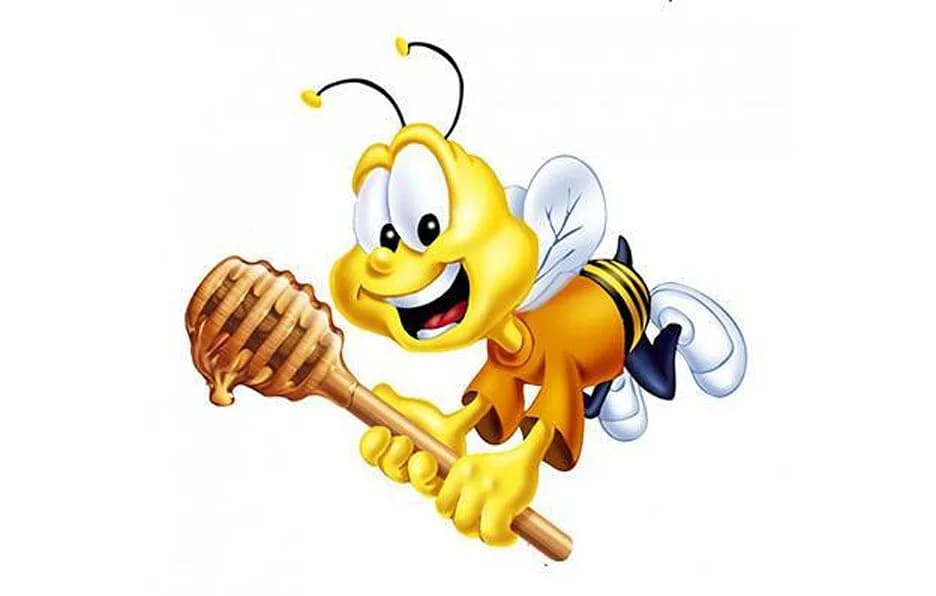
Honey Nut Cheerios’ cheerful food mascot—the anthropomorphised honey bee—has spent years buzzing through TV commercials, encouraging customers to enjoy a big bowl of cereal.
5. Cap’n Crunch

Here’s the essential backstory: Quaker Oats’ Horatio Magellan Crunch is the captain of a ship called the Guppy and hails from Crunch Island, located in the Sea of Milk—a fictional world featuring talking trees, unusual creatures, and even a mountain made entirely of Cap’n Crunch cereal.
6. The Quaker Man
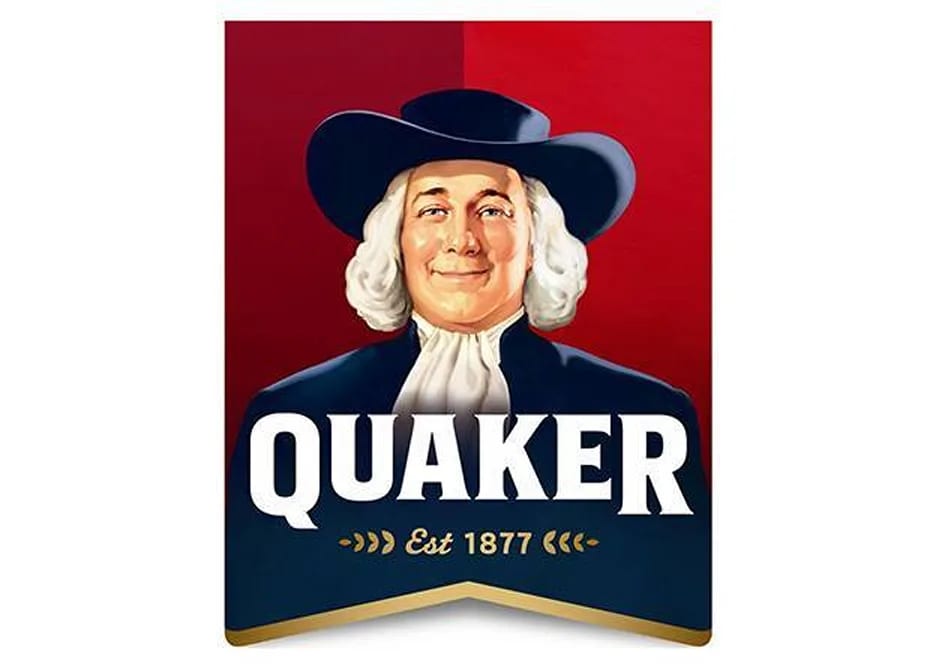
Larry, as he’s sometimes affectionately (though unofficially) dubbed by Quaker Oats employees, is a true man of mystery. While many guesses have been made about who inspired this famous food mascot, the company says he’s simply a gentleman in traditional Quaker attire. He’s also one of the oldest food mascots still in existence, having changed very little in the 130+ years he’s been around.
7. Chester the Cheetah

This food mascot has got sass, and his fame keeps growing bigger and bigger. In recent TV commercials, he appears in full computer-generated 3D form, causing all sorts of mischief while purring his catchphrase, “Dangerously Cheesy.” He’s the advertising incarnation of a 1950s cool cat, and one of the most famous mascots around.
8. Snap, Crackle, and Pop
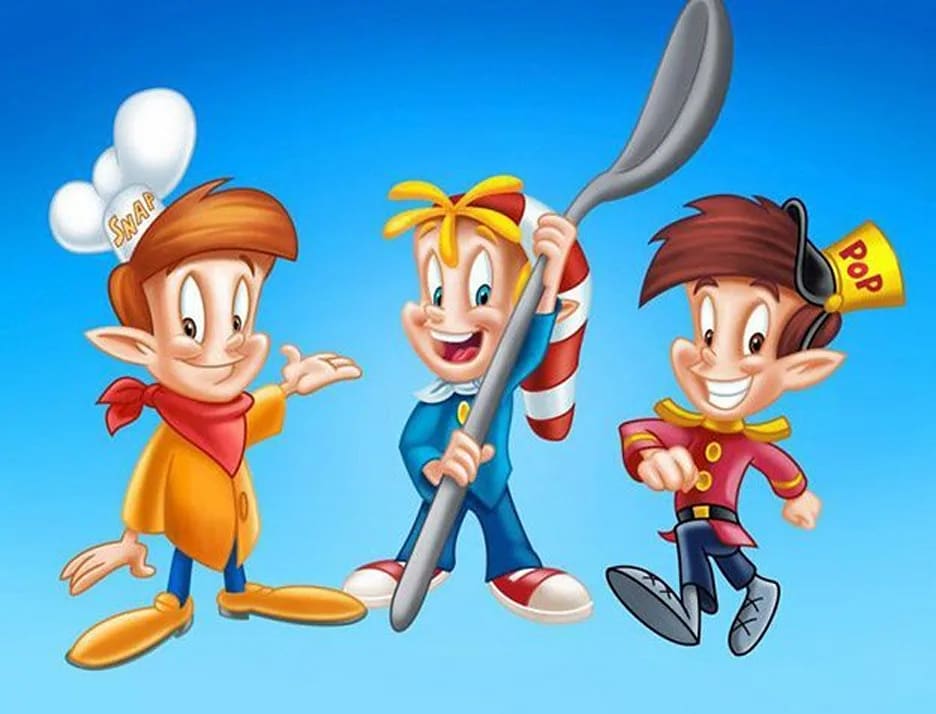
The first and only food mascots on our list that come as a set, Kellogg’s Rice Krispies elfin representatives were designed by Vernon Grant in the early 1930s to embody the onomatopoeia of the cereal when milk is added—Snap, Crackle, and Pop.
5 design lessons from iconic mascots
Keep it visually simple and easy to remember
The best food mascots, like Tony the Tiger, stick with a clean, recognisable look. A mascot that’s easy to draw or describe is one people won’t forget.
Let personality shine through design
From Chester Cheetah’s mischievous grin to Snap, Crackle and Pop’s cheerful stance, mascots show how attitude can come across in just a pose or expression. Start with traits your audience connects with, then reflect those in the visuals.
Use colour to stand out
Bright, bold colours help famous mascots pop off packaging and screens. Think about the emotional message your colours send, like red for energy or green for freshness. Create a mood board to visualise what colour suits your brand!
Consistency builds trust
Many food mascots have been around for decades with only slight changes over time. Once your mascot feels right, keep the design consistent so customers build familiarity.
Storytelling makes mascots memorable
Food mascots like Cap’n Crunch come to life in fun, imaginative worlds. Give your mascot a little backstory, it helps people connect and keeps your brand top of mind.
Getting to know mascot logos
If you’re feeling inspired by these iconic examples, take a peek at the video below as we explain the ins and outs of food mascots, and show you when (and when not) to use one for your own brand. If you’re looking for even more examples, check out these creative mascot logos with their game face on!
FAQs about iconic food mascots
What are food mascots and why are they important in branding?
Food mascots are illustrated or animated characters used by brands to represent their products, especially in the food and beverage industry. They help create emotional connections with consumers, boost brand recognition and add personality to packaging and advertising.
How do food mascots help small businesses stand out?
For small businesses, food mascots offer a fun and memorable way to differentiate from competitors. A well-designed mascot can become a visual shorthand for your brand’s values and make your products more appealing, especially to younger audiences.
What makes a food mascot iconic?
Iconic food mascots tend to have distinct personalities, consistent visual styles and emotional resonance with audiences over time. Characters like Tony the Tiger are successful because they’ve maintained strong storytelling and branding across generations.
Can I create a food mascot for my own brand?
Yes, many small businesses use food mascots to give their brand a unique, friendly face. Start by identifying your brand’s voice and values, then work with a designer to create a character that reflects your identity and appeals to your target customers.